
Belly Dance AITransfer a Belly Dance to a Character
Use a full-body or three-quarter humanoid character with visible arms and legs.
Upload a licensed belly-dance reference with one adult dancer, steady framing, and an uninterrupted 3–30 second shot.
Upload the character image and motion reference together before generating.
Match orientation in the video. Recommended.
Choose whether the generated background follows the reference video or the character image.
Optional. Motion comes from the video; prompt refines the look.
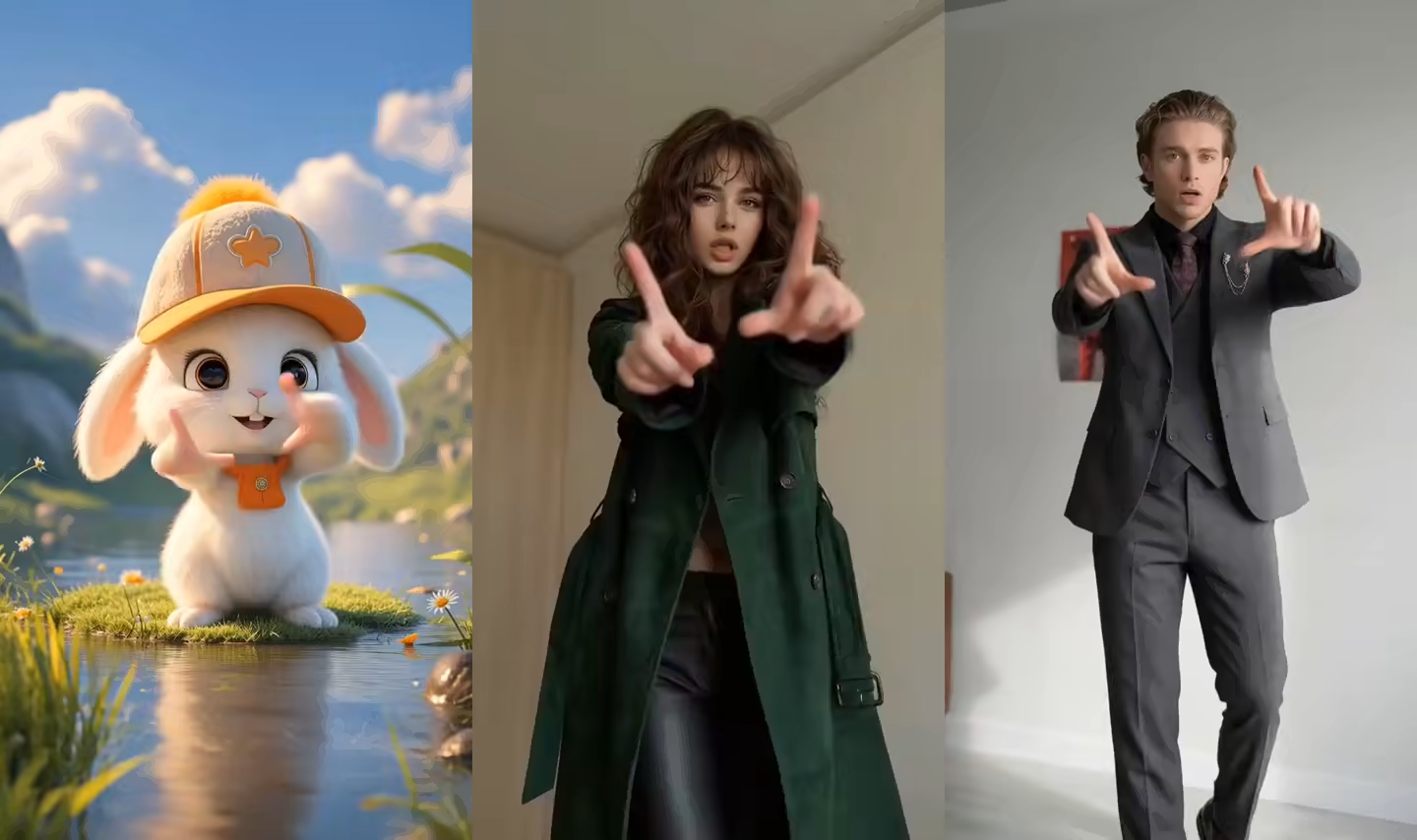
Character dance video examples
These rendered clips show the type of character motion produced by the dance-transfer workflow.
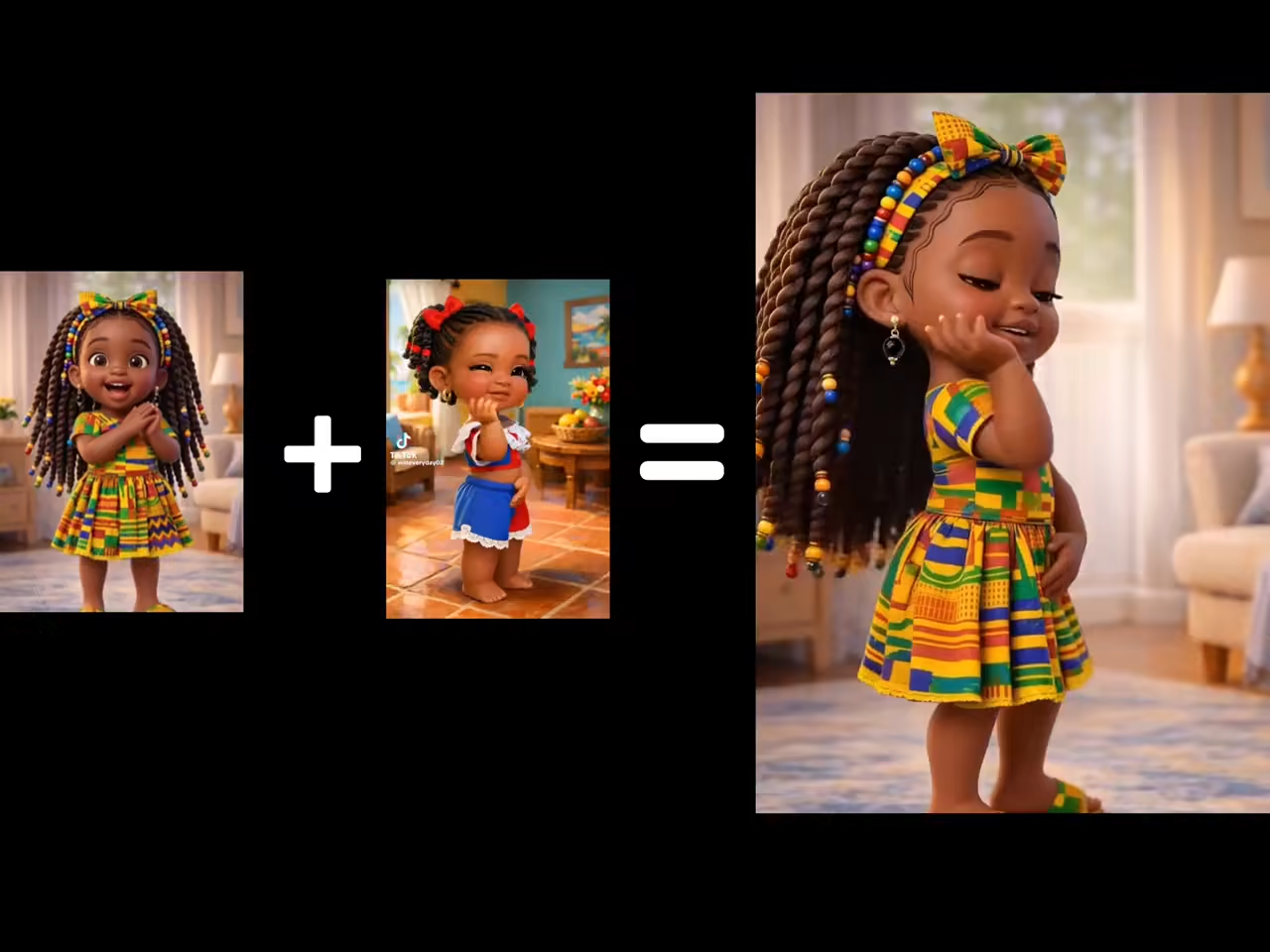
Dance output 01
A character video generated from a still image and a dance reference clip.
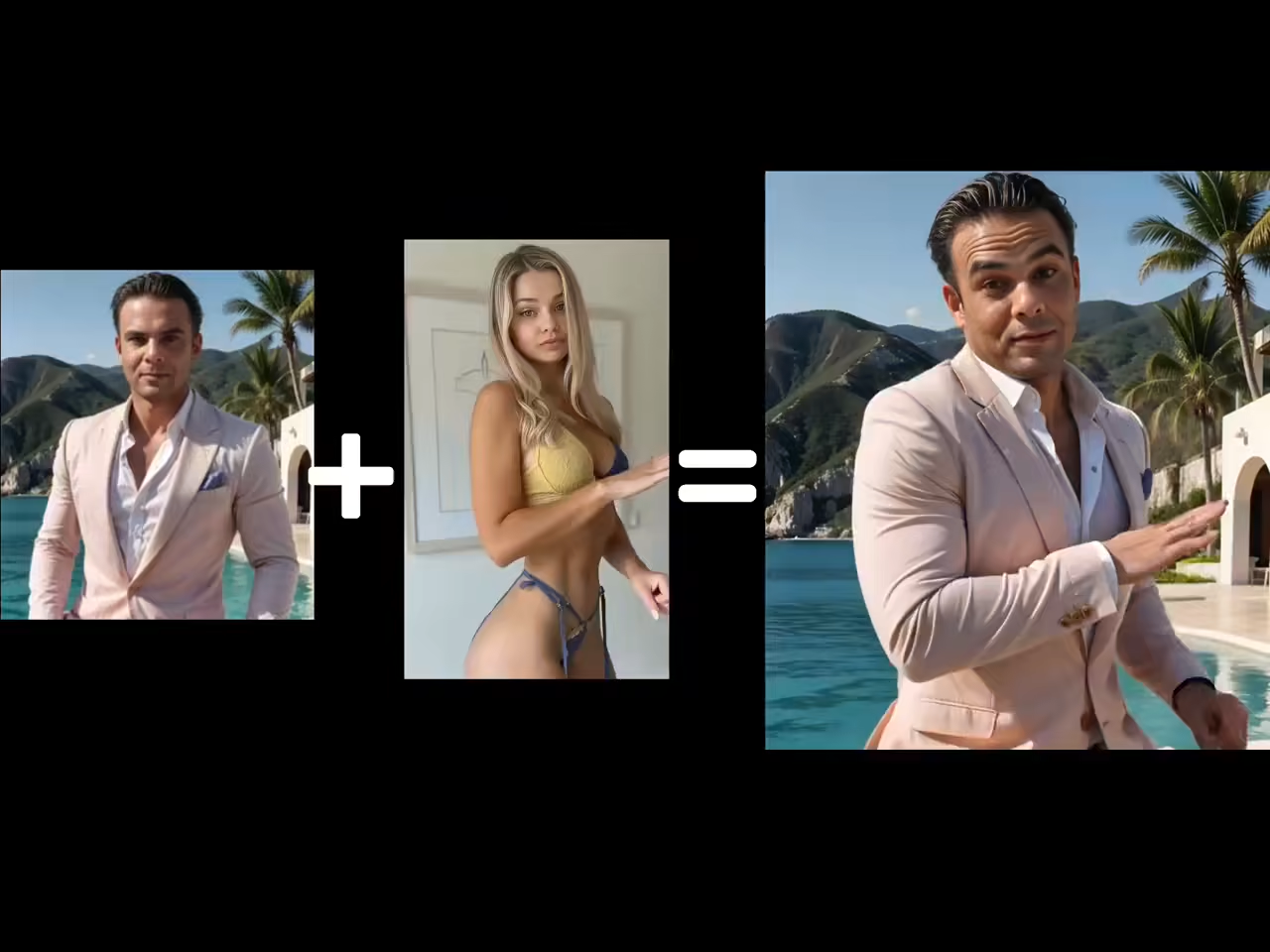
Dance output 02
A character video generated from a still image and a dance reference clip.
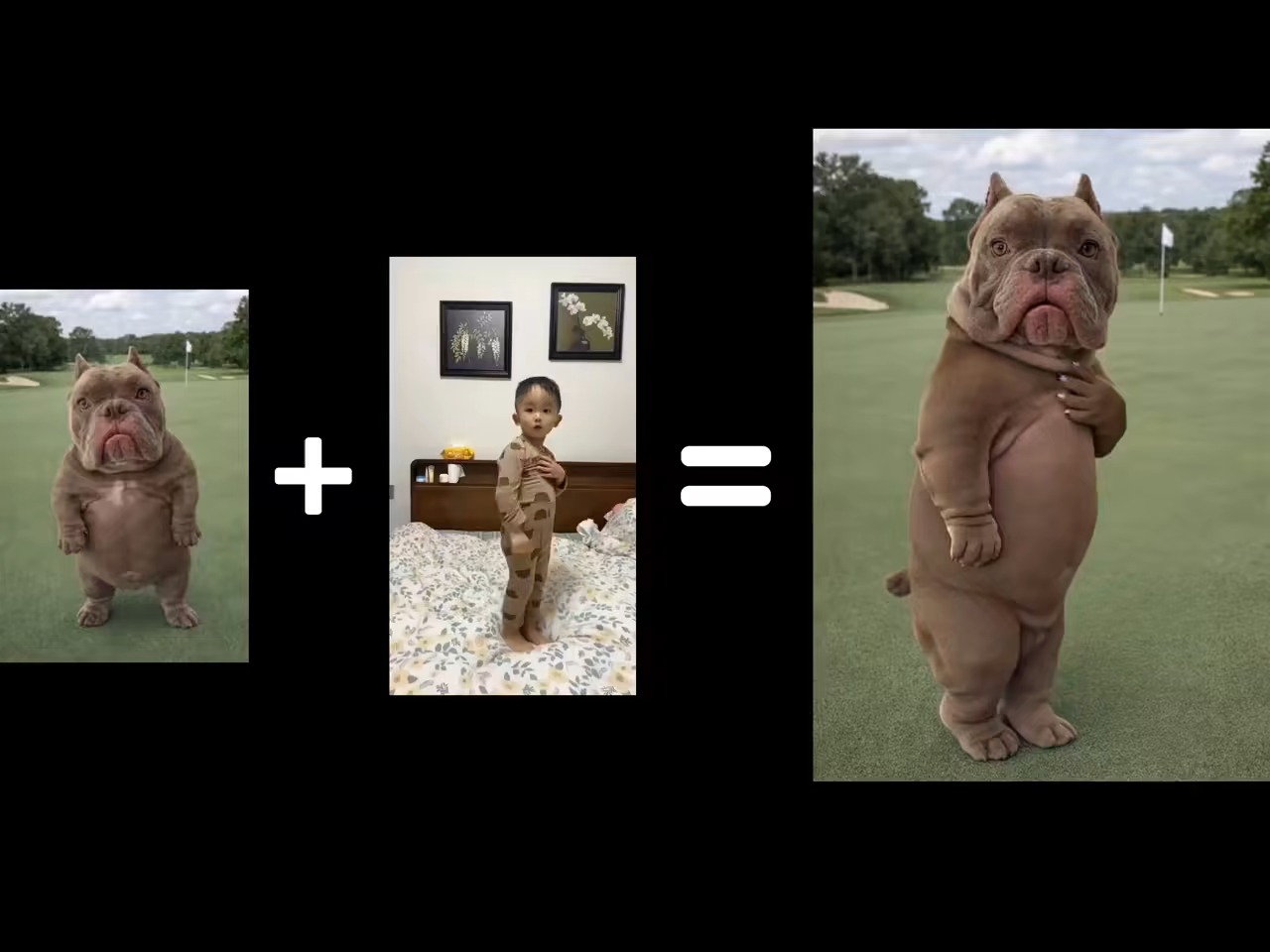
Dance output 03
A character video generated from a still image and a dance reference clip.
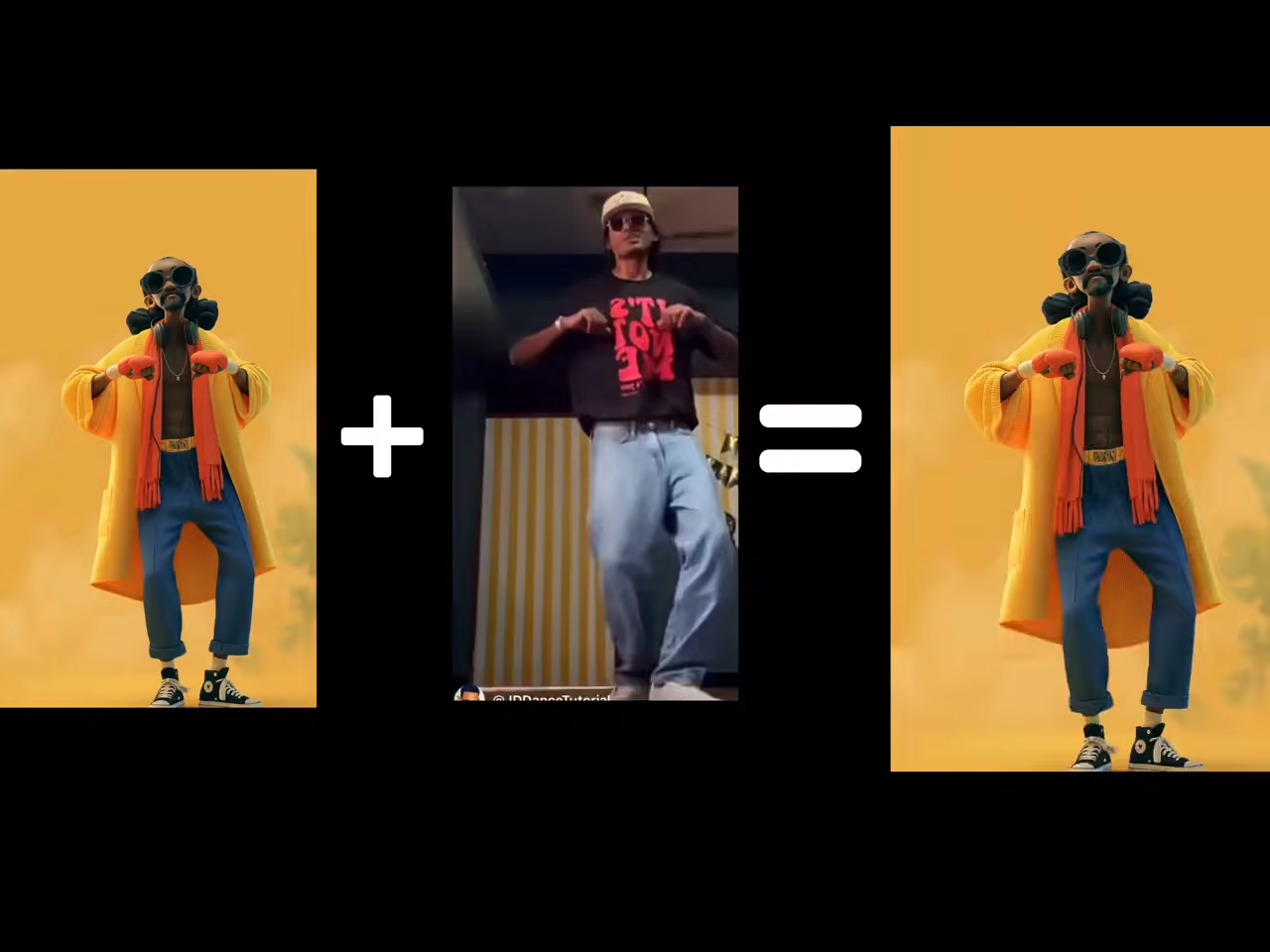
Dance output 04
A character video generated from a still image and a dance reference clip.
What this Belly Dance AI Video Generator page creates
This belly-dance page targets a specific motion-transfer task: taking a licensed reference performance and applying its visible torso, arm, hip, and step timing to a character image.
Upload your own belly-dance reference for the exact performance you want to transfer. The page does not invent belly-dance choreography from music and does not teach dance steps, classes, or workouts.
Create a belly dance AI video from a photo
Use a custom reference to preserve the visible performance while keeping the source pair easy for the motion model to read.
Belly dance AI video from one character photo
Combine a full-body or three-quarter character image with a belly-dance reference video. The generated clip follows the visible arm paths, torso direction, hip timing, steps, and performance pacing in the source motion.
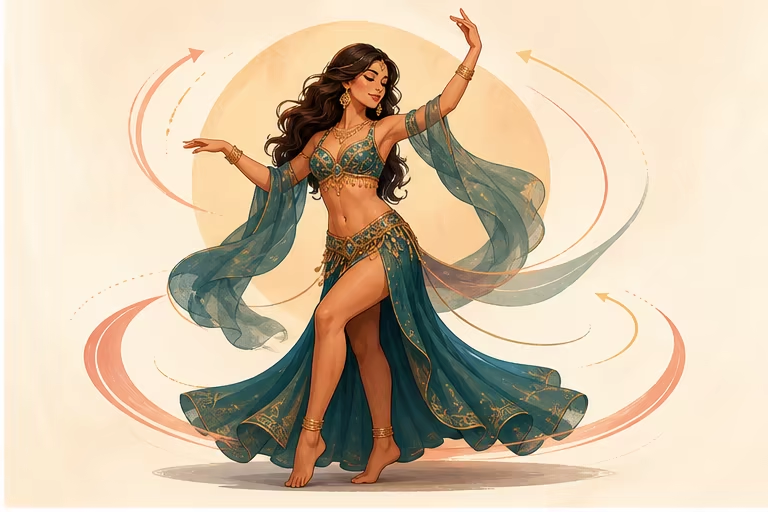
Upload a custom belly-dance reference
This page is built around your own permitted reference because a specific belly-dance routine needs specific source motion. Use one adult dancer, a fixed camera, and a continuous clip instead of expecting the prompt to create choreography.
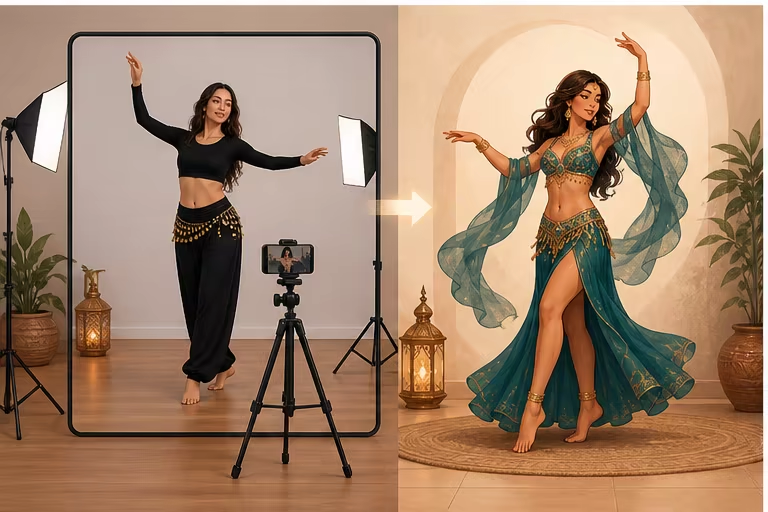
Transfer visible arms, torso, hips, and step timing
Motion control uses the whole visible performance, not a single isolated body part. Choose a reference where hands, elbows, waist, knees, and feet remain readable so the character can follow the overall rhythm.
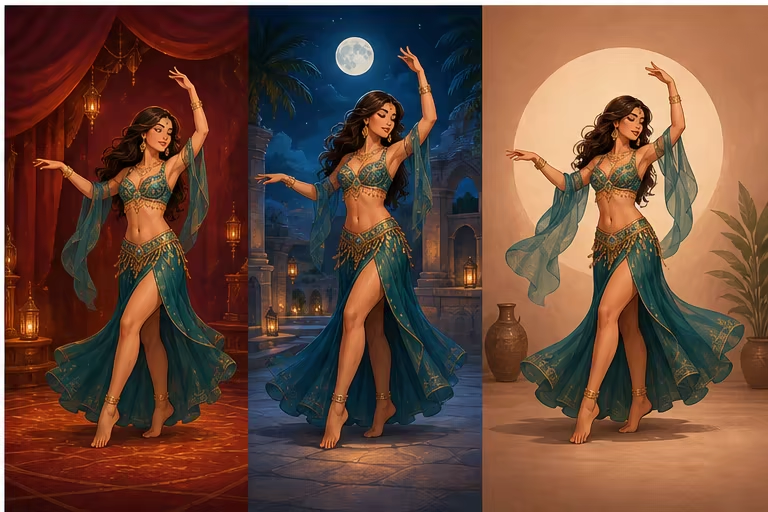
Full-body or three-quarter belly-dance framing
Use full-body framing when foot placement matters and three-quarter framing when the routine emphasizes arms and torso. Match the character image and reference orientation to reduce cropping and abrupt scale changes.
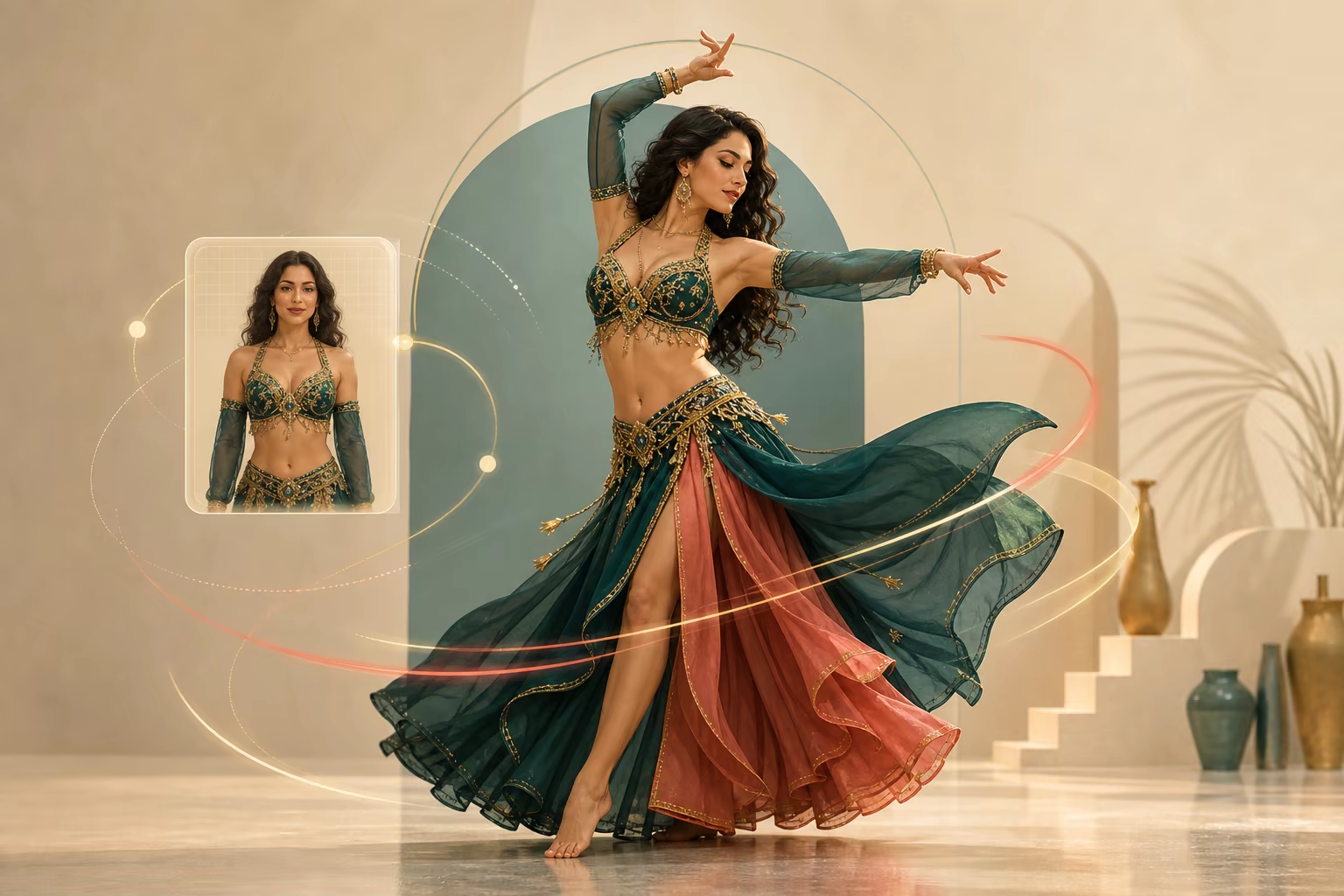
Manage costume, hair, and veil occlusion
Flowing fabric, long hair, veils, and large accessories can hide joints during turns. Start with a shorter section and a clean silhouette, then review hands, waist, legs, feet, and identity before using a more complex performance.
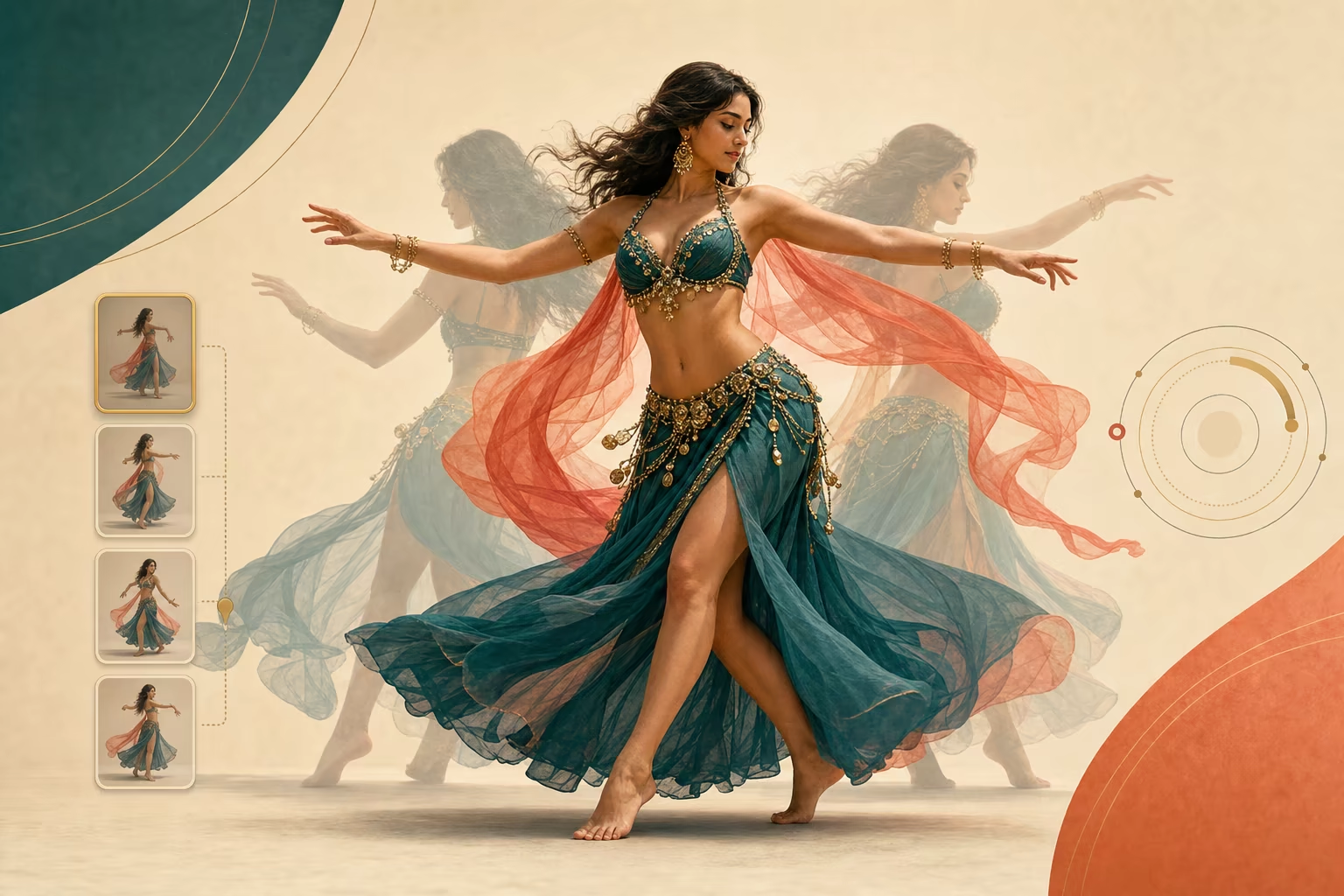
Transfer a belly-dance performance in three steps
Use one readable character and one permitted single-dancer reference.
Upload a full-body character
Choose a humanoid character with visible arms, torso, waist, knees, and feet, plus a clean silhouette around hair and clothing.
Add your belly-dance reference
Use one adult performer, a fixed camera, modest motion blur, and an uninterrupted section with limited fabric occlusion.
Generate and inspect the difficult frames
Review turns, hands near the waist, flowing fabric, foot placement, identity, and background stability before publishing.
Belly dance AI video ideas
Change the character and scene while keeping one clearly licensed reference performance.
Vertical belly-dance short
Use a short full-body routine with centered framing for Reels, Shorts, or other vertical social formats.
Illustrated character performance
Apply the reference to a readable humanoid illustration or fictional character with clear limbs and waist.
Stage or studio dance scene
Use the optional scene prompt and background-source control to guide a stage, studio, or simple performance setting.
Workflow essentials for Belly Dance AI Video Generator
Inputs, recommended setup, and the most common fixes—summarized in one compact guide.
Inputs and setup
- One JPG, JPEG, or PNG image; One MP4, MOV, or supported video clip.
- Reference length: 3–30 seconds, depending on model mode.
- Kling 2.6 Motion Control and Kling 3.0; Rendered character video in 720p or 1080p.
- Keep one adult dancer, both hands, the waist, knees, and feet visible throughout the reference.
Two quick fixes
Belly Dance AI Video Generator FAQ
How do I create a belly dance AI video?
Can I upload my own belly-dance routine?
Does the prompt generate belly-dance choreography?
Can I use an illustrated character?
Should I use full-body or three-quarter framing?
Why do veils and flowing costumes cause problems?
Can it animate a group belly dance?
Create your first Belly Dance AI Video Generator video
Start with one clear character image and a short single-dancer reference.